

Skip to content
NatureNod

Services

Sustainability Services

Technical sustainability support for buildings throughout acquisition, operation, renovation and long-term improvement.

01

ESG Due Diligence

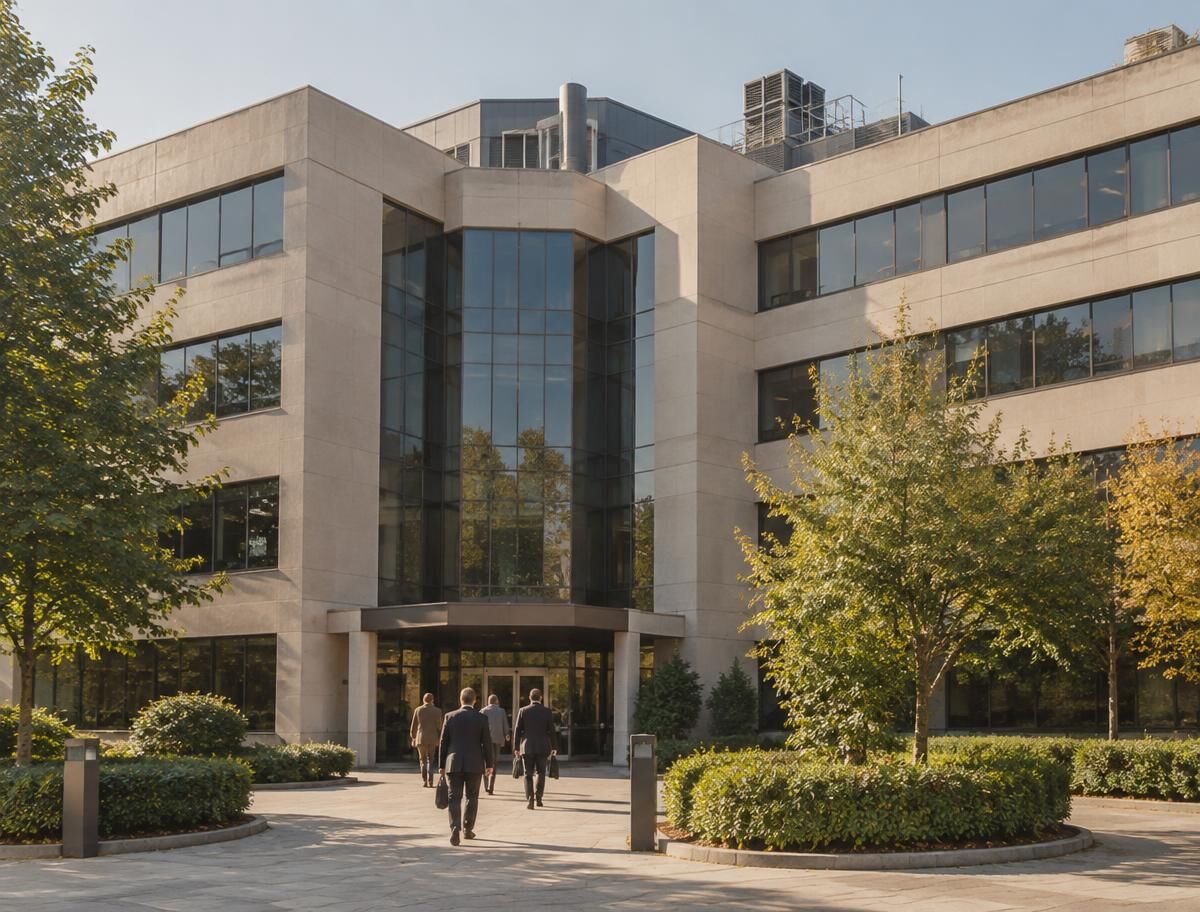
Review of sustainability risks and opportunities associated with a real-estate asset. The assessment may consider energy, carbon, building certifications, climate risks, regulation and potential sustainability-related investment needs.

What we review

  • Energy
  • Carbon
  • Climate risk
  • Certification
  • Regulation & EU Taxonomy
  • Potential CAPEX
  1. Current performance
  2. Findings
  3. Prioritised action plan
Action planWhat to do next
FindingActionPriorityTimingPotential effect
Ageing heating and coolingHVAC improvementHigh0–2 years · Major CAPEXLower energy use
Basic controls onlyBuilding controls and monitoringHigh0–1 year · Minor CAPEXBetter operation
Older lightingLED lighting upgradeMedium1–2 years · Minor CAPEXLower running costs
No on-site renewablesAssess solar potentialLonger term3–5 years · Planned CAPEXLower operational carbon

Illustrative example — demonstration data, not based on a specific building.

These results are indicative only and cover only part of the criteria considered in a full assessment. They do not constitute a complete assessment, certification or confirmation of compliance.
Learn more
02

Decarbonisation Pathway & Strategy

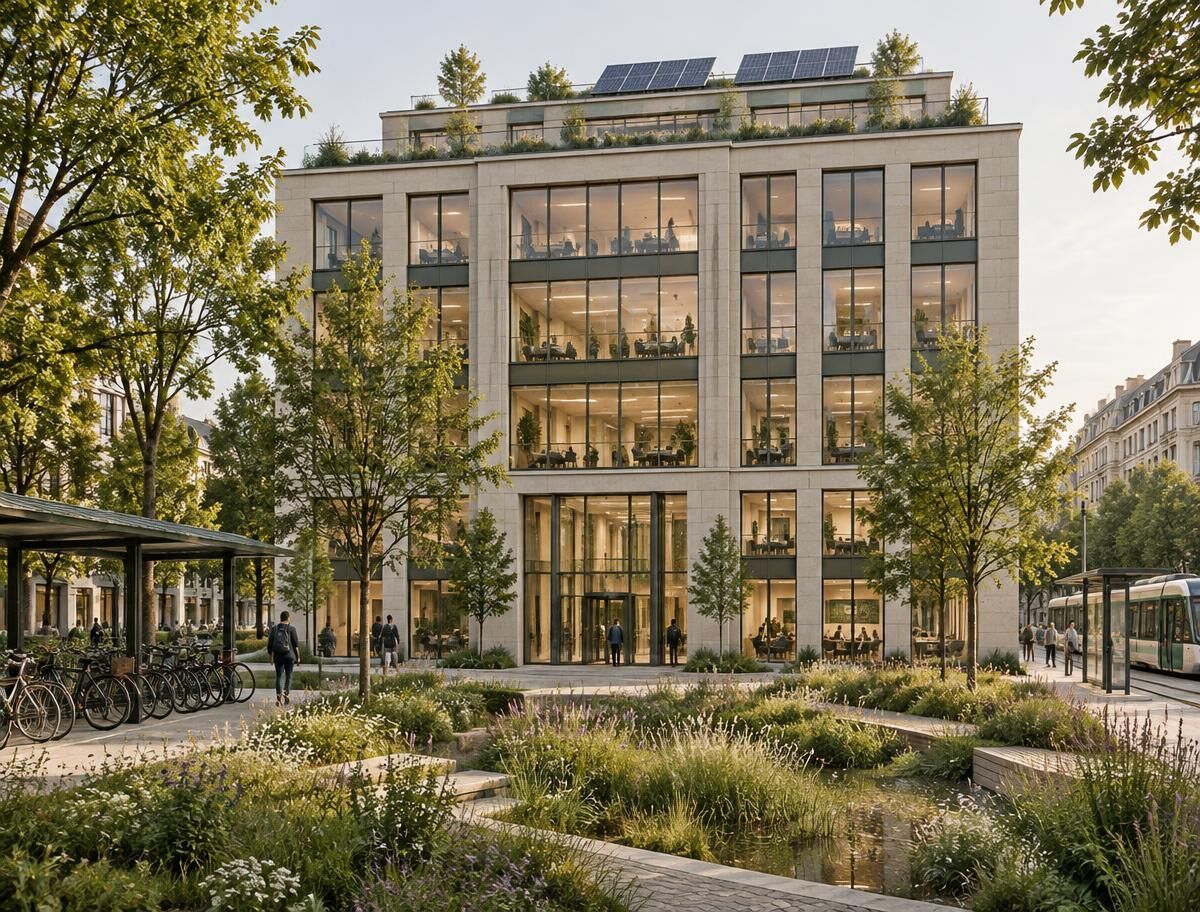
Development of a practical roadmap for reducing building energy consumption and carbon emissions over time. Possible measures include energy efficiency, building-system upgrades, electrification, renewable energy and operational improvements.

Carbon pathway — emissions over time

TARGETTodayOperationsEfficiencyHVACElectrificationRenewablesCO₂ ↓ · ENERGY DEMAND ↓ · PERFORMANCE ↑
  1. NowOperational, lower-investment measures
  2. NextEfficiency improvements
  3. Planned CAPEXBuilding-system interventions
  4. Long termMajor upgrades where needed

Illustrative example — demonstration data, not based on a specific building.

These results are indicative only and cover only part of the criteria considered in a full assessment. They do not constitute a complete assessment, certification or confirmation of compliance.
Learn more
03

BREEAM Certification

Assessment and certification support based on BREEAM requirements, including gap analysis, credit strategy, evidence review and recommendations for improving building sustainability performance.

The whole building, assessed area by area

  • Management
  • Health & wellbeing
  • Energy
  • Transport
  • Water
  • Resources
  • Resilience
  • Land use & ecology
  • Pollution
  1. Assessment
  2. Performance gaps
  3. Opportunities
  4. Action plan
  5. Better performance
Action planWhat to do next
FindingActionPriorityTimingPotential effect
Energy use not tracked by areaAdd sub-metering and monitoringHigh0–6 monthsClearer energy management
Limited material and waste recordsSet up a resources logMedium6–12 monthsStronger evidence
Outdoor areas mostly hard surfacesPlan planting and biodiversityLonger term1–3 yearsBetter ecology score

Illustrative example — demonstration data, not based on a specific building.

These results are indicative only and cover only part of the criteria considered in a full assessment. They do not constitute a complete assessment, certification or confirmation of compliance.
Learn more
04

WELL Certification

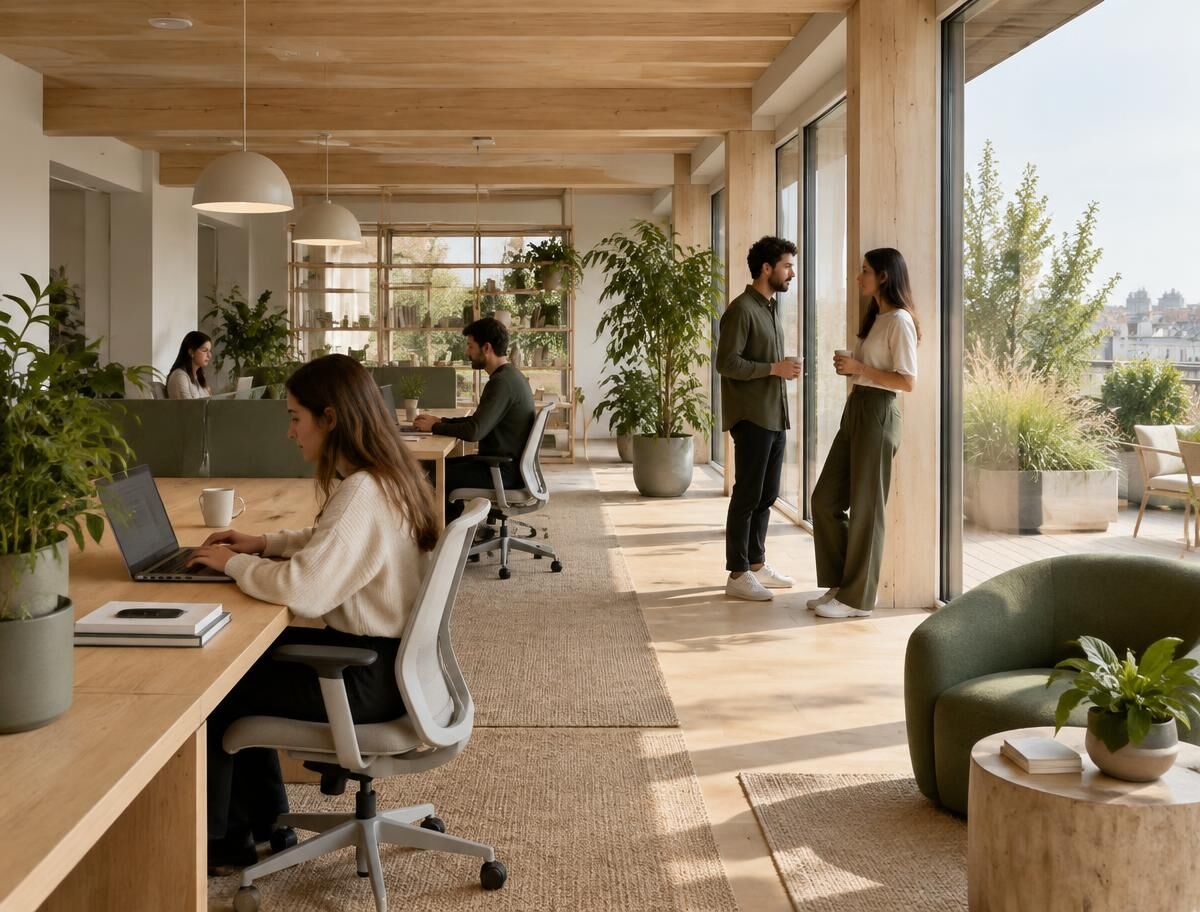
Assessment and certification support focused on the health, comfort and wellbeing of building occupants. Relevant areas can include air, water, light, thermal comfort, movement and occupant experience.

Ten areas of the occupant experience

  • 01Air
  • 02Water
  • 03Nourishment
  • 04Light
  • 05Movement
  • 06Thermal comfort
  • 07Sound
  • 08Materials
  • 09Mind
  • 10Community
  1. Building environment
  2. WELL assessment
  3. Improvement actions
  4. Healthier, more comfortable people

A workplace designed around the people using it can support tenant experience, attraction and retention.

Illustrative example — demonstration data, not based on a specific building.

These results are indicative only and cover only part of the criteria considered in a full assessment. They do not constitute a complete assessment, certification or confirmation of compliance.

Learn more
05

Climate & Natural Hazard Risk Assessment

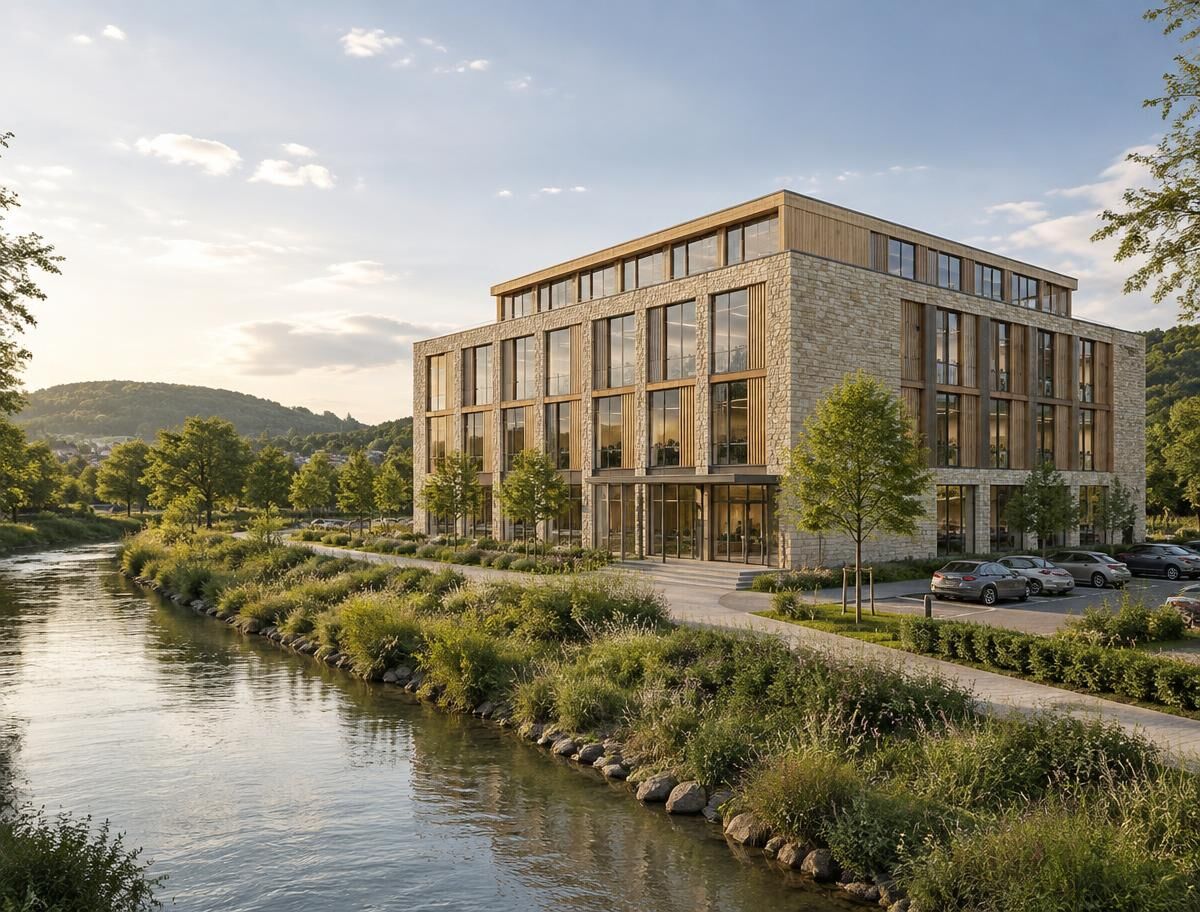
Assessment of a building's exposure and vulnerability to physical climate risks and natural hazards such as flooding, extreme heat, drought, wildfire and storms. The assessment identifies important risks, existing protection measures and possible adaptation actions.

Physical climate risk — example panel

  • Floodmoderate
  • Extreme heathigh
  • Stormmoderate
  • Droughtlow

How we assess it

  1. 1Hazard
  2. 2Exposure
  3. 3Vulnerability
  4. 4Potential consequence
  5. 5Mitigation
  6. 6Residual risk
Recommended actionsWhat to do next
FindingActionPriorityTimingPotential effect
Heat exposure on south façadeExternal shading, planting, cooling strategyHighNext CAPEX cycleLower overheating risk
Flood exposure near riverDrainage strategy, raise sensitive equipmentHigh0–12 monthsLess interruption risk
Wind-exposed roof equipmentRoof and façade resilience reviewMedium1–2 yearsReduced damage exposure
Water-hungry landscapingResilient planting and water strategyLonger term2–3 yearsLess water stress

Illustrative example — demonstration data, not based on a specific building.

These results are indicative only and cover only part of the criteria considered in a full assessment. They do not constitute a complete assessment, certification or confirmation of compliance.
Learn more
06

Life Cycle Assessment (LCA)

Assessment of environmental impacts across the life cycle of a building, building component or material. LCA can help compare materials, construction solutions and renovation options and identify lower-impact alternatives.

The whole life of a material

  1. Raw material
  2. Manufacturing
  3. Construction
  4. Use
  5. Replacement
  6. End of life

Comparing two façade options — relative impact

Option A
Option B

LCA helps us understand the environmental consequences of material and design choices before important decisions are finalised.

Illustrative example — demonstration data, not based on a specific building.

These results are indicative only and cover only part of the criteria considered in a full assessment. They do not constitute a complete assessment, certification or confirmation of compliance.

Learn more
07

EU Taxonomy Assessment & Alignment

Assessment of real-estate assets against relevant EU Taxonomy requirements. The process identifies available evidence, missing information and actions that can help demonstrate or improve alignment.

  1. Requirement
  2. Evidence
  3. Gap
  4. Action
  5. Better documented alignment
CriterionEvidenceStatusAction
Energy performanceEnergy certificateEvidence availableNone
Climate riskRisk assessmentEvidence missingCommission assessment
DNSH — waterFixture dataReview requiredCheck specifications
DNSH — pollutionMaterial recordsAction requiredCollect evidence

Illustrative example — demonstration data, not based on a specific building.

These results are indicative only and cover only part of the criteria considered in a full assessment. They do not constitute a complete assessment, certification or confirmation of compliance.

Learn more

Planning a More Sustainable Building?

Discuss certification, sustainability assessment, climate risk or building-performance requirements with NatureNod.